
Universities From Talent Pipelines to System Architects
Twenty years ago, universities were measured by how many students they enrolled.
A decade ago, the conversation shifted to employability. Institutions were increasingly expected to produce graduates with the skills demanded by industry, and success was often measured through graduate employment rates.
Today, another transformation is underway.
As governments pursue artificial intelligence, green transitions, digital economies, and greater regional competitiveness, universities are being asked to do something far more ambitious. They are no longer expected simply to educate individuals. They are increasingly expected to shape the systems that enable economic transformation itself.
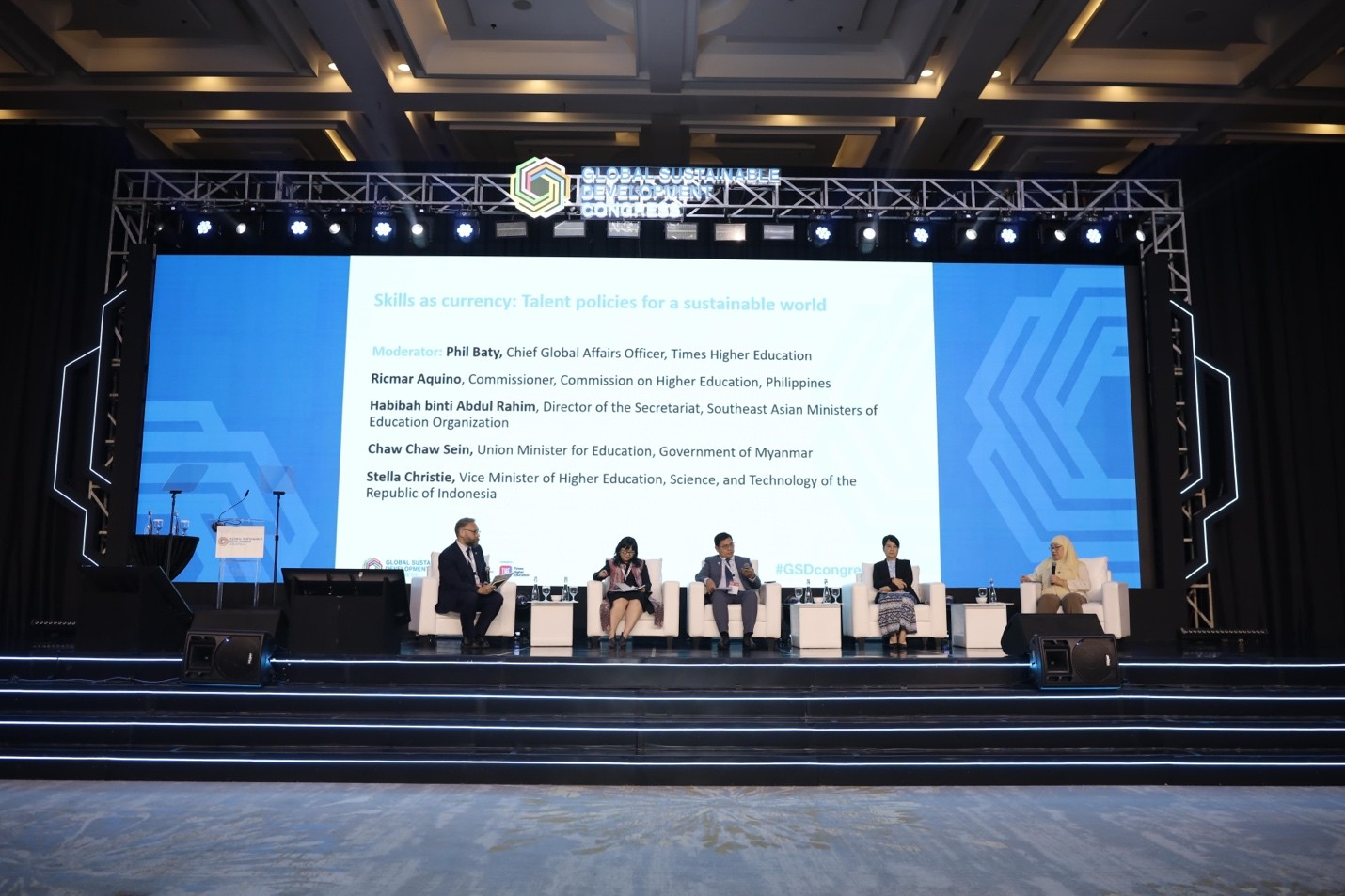
This shift emerged clearly during the Global Sustainable Development Congress 2026. Although many discussions focused on artificial intelligence, sustainability, and the future of work, the underlying message was less about technology than about institutions. Behind every national AI strategy lies a more fundamental question: who will educate the AI economy?
The answer is not as straightforward as producing more computer scientists.
Artificial intelligence is exposing the limits of viewing higher education as a pipeline for workforce supply. Building an AI economy requires far more than technical talent. It demands researchers capable of interdisciplinary collaboration, educators who can continuously redesign curricula, policymakers who understand emerging technologies, industries willing to co-create learning, and institutions capable of responding to change at unprecedented speed.
In other words, the challenge is not merely producing graduates. It is building adaptive systems.
This idea was captured powerfully by Indonesia’s Vice Minister for Higher Education, Stella Christie, who questioned the increasingly popular language of “upskilling.” Rather than assuming workers must endlessly acquire new skills, she argued that education systems themselves need to evolve. Instead of “upskilling,” she suggested thinking about “upsysteming”—transforming institutions so they can continually respond to changing societal and economic needs.
The distinction is significant.
Skills can become outdated. Institutions that know how to learn, adapt, and innovate can continue creating new skills long after today’s technologies have changed.
This perspective also helps explain why discussions about artificial intelligence quickly expanded into conversations about energy, infrastructure, qualifications frameworks, regional cooperation, and sustainability.
Artificial intelligence is often portrayed as a software revolution. In reality, it is equally an infrastructure challenge.
Every AI model requires electricity, data centres, cooling systems, and enormous computational resources. Experts stressed that responsible AI begins long before deploying sophisticated algorithms. It starts by asking whether AI is needed in the first place, selecting models appropriate to the task, and considering where digital infrastructure is located and how it is powered. Governments, energy agencies, technology companies, and universities all have a role to play in these decisions.
For Southeast Asia, this means that AI policy can no longer be separated from education policy.
This is precisely why regional cooperation in higher education is becoming increasingly important. No single education system can respond to technological disruption alone. Through initiatives such as the Common Space in Southeast Asian Higher Education, countries are working towards more compatible qualifications, greater academic mobility, and stronger policy coordination. For organizations such as SEAMEO RIHED, the challenge is no longer simply facilitating collaboration among higher education systems, but helping build the institutional capacity that enables the region to adapt collectively to rapid economic and technological change.
The region’s ambitions for digital transformation will depend not only on computing capacity but also on whether higher education systems can prepare graduates, generate research, advise policymakers, and foster innovation ecosystems capable of supporting that transformation.
Equally important is ensuring that technological progress does not outpace human capability.
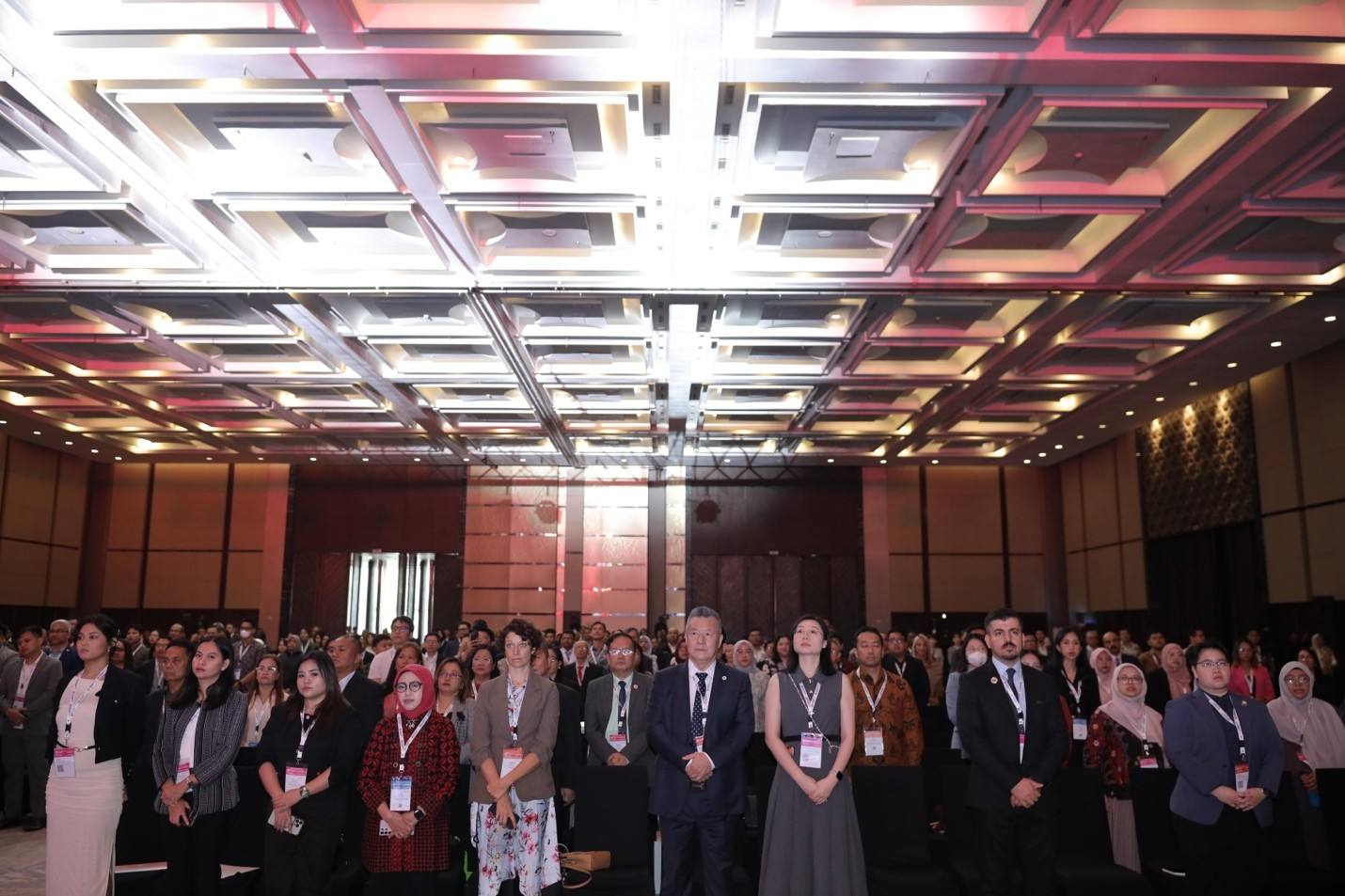
Participants highlighted growing concerns that industry adoption of technology is moving faster than workforce preparation, increasing the risk that many workers—and even entire communities—will be left behind. Responding to this challenge requires stronger partnerships among governments, universities, and industry to co-design curricula, expand lifelong learning opportunities, and recognise competencies beyond traditional degree programmes. Initiatives such as micro-credentials, qualifications frameworks, and the emerging Common Space for Higher Education in Southeast Asia reflect this broader shift towards more flexible and interoperable learning systems.
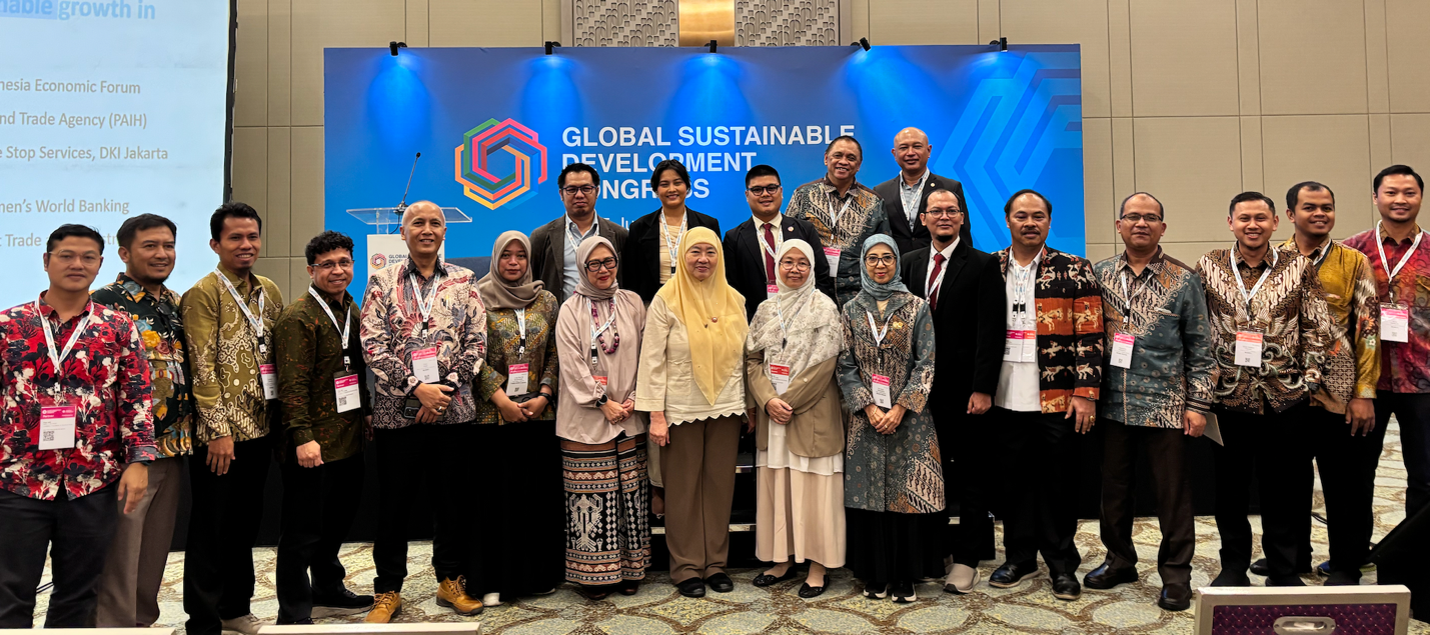
These developments suggest that universities are acquiring responsibilities once associated primarily with ministries of labour, economic planning, or industry.
Increasingly, universities are expected to anticipate labour market trends, accelerate innovation, support regional mobility, contribute to sustainability, and advise governments on public policy. Their success is measured not only by academic excellence but also by their contribution to national resilience and economic competitiveness.
This changing role was evident throughout the Congress. Speakers repeatedly described universities as institutions capable of connecting research, innovation, policy, and community action. Their value lies not simply in generating knowledge but in translating knowledge into societal impact.
The implications extend well beyond artificial intelligence.
Climate transition requires graduates who understand engineering, economics, law, public policy, and environmental science simultaneously. Digital transformation requires educators who can teach critical thinking alongside technical competence. Sustainable development depends on universities working with governments, industries, and communities rather than operating in isolation.
The university of the future, therefore, cannot function solely as a place of teaching or research. It must increasingly serve as a platform where talent development, innovation, policymaking, and regional cooperation intersect.
Perhaps that is the most important lesson from today’s AI conversation.
The real race is not simply to develop more powerful algorithms. It is to build stronger institutions capable of navigating continuous technological, economic, and social change.
For Southeast Asia, the question is no longer whether universities can produce graduates for the AI economy.
It is whether they can become the system architects that the AI economy demands.